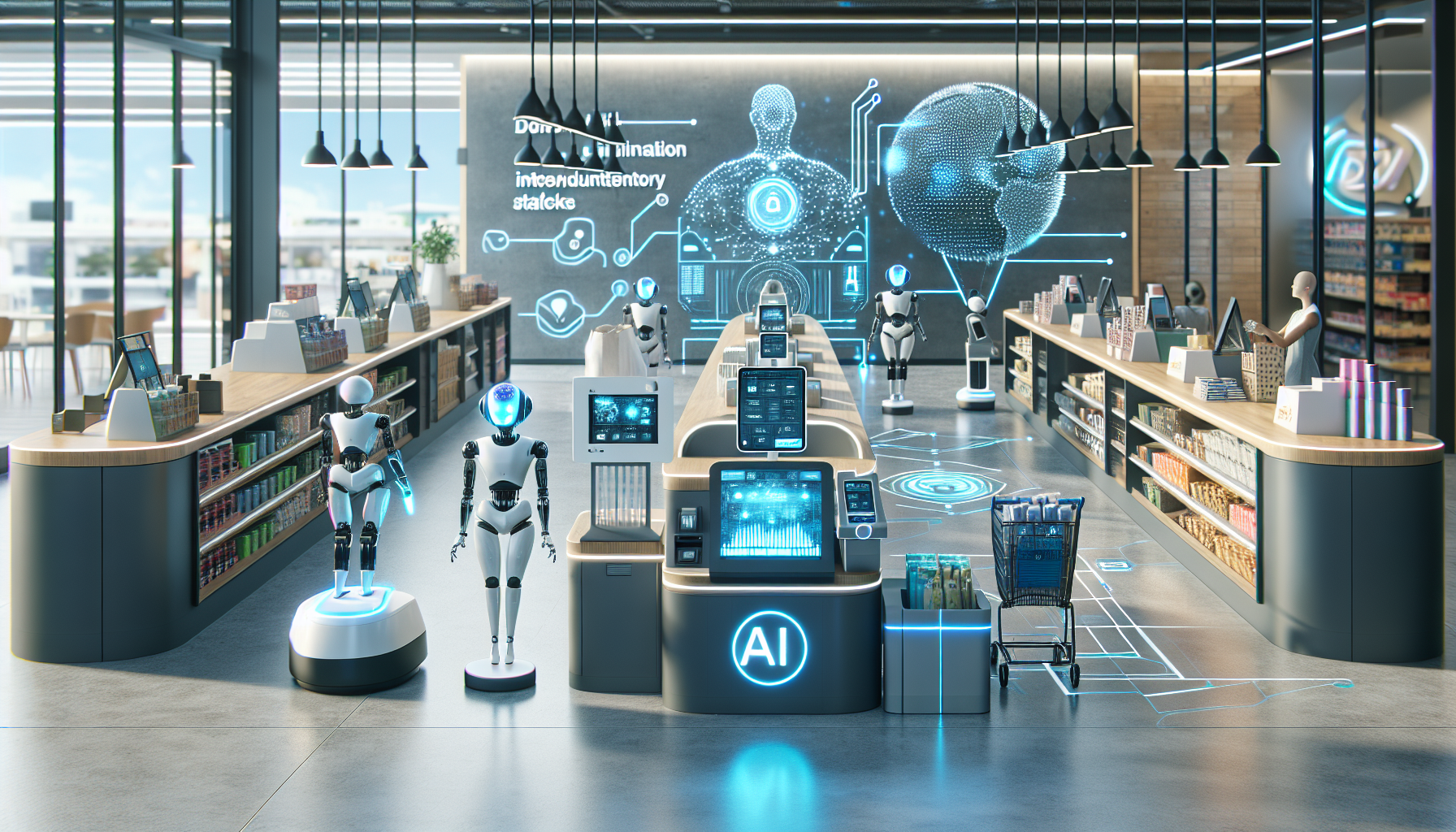
As AI continues to redefine the labor landscape, Mydin, a renowned Malaysian hypermarket chain, is charting a new course by incorporating AI agents into its workforce. This article delves into Mydin’s innovative journey, exploring the implications of AI for the retail industry and the company’s strategic vision.
The Dawn of Digital Workers in Retail
Mydin’s Evolution: With its roots tracing back to a modest family-run shop in Kota Bharu, Mydin has transcended its humble beginnings to emerge as a dominant figure in the Malaysian retail sector. This transformation wasn’t merely about expanding its physical footprint but also involved forward-thinking adaptations to technological advances. The latest stride in Mydin’s journey is its bold foray into artificial intelligence, specifically through the integration of AI agents into its daily operations. This move isn’t just about staying abreast of technological trends; it’s a strategic pivot towards creating a digital workforce capable of elevating efficiency and enhancing customer satisfaction.
The Role of AI Agents: Artificial intelligence, once a concept relegated to the realms of science fiction, is now a tangible asset in the retail industry. At Mydin, AI agents are being groomed to revolutionize core aspects of the retail experience. These digital workers are tasked with streamlining inventory management, a perennial challenge in the dynamic environment of retail. By predicting stock levels accurately, AI ensures that Mydin can maintain the delicate balance of meeting demand without overstocking. Beyond the warehouses and aisles, these AI agents also redefine customer service. Through natural language processing, they can understand and respond to customer inquiries in real-time, providing a personalized shopping experience unheard of in Mydin’s early days. Moreover, the predictive analytics capability of AI opens new vistas for Mydin, allowing for anticipatory approaches to retail management, such as forecasting buying trends and tailoring promotions accordingly. This integration of AI signifies more than mere modernization; it heralds a new era where digital and human workforces coalesce, paving the way for unparalleled operational efficiency and customer engagement in the Malaysian retail landscape.
Implementing AI at Mydin: Challenges and Opportunities
Strategic Integration: Embracing the transition towards a digital workforce, Mydin meticulously selected AI agents with capabilities tailor-made to enhance their operational efficiency. The chosen AI technologies are not merely sophisticated tools but strategic partners capable of transforming mundane tasks into automated processes. These digital workers are set to revolutionize inventory control, leveraging real-time data analytics to predict stock levels, reduce waste, and optimize the supply chain. Additionally, Mydin plans to deploy AI in personalizing customer experiences, utilizing machine learning algorithms to offer tailored recommendations and services, thus fostering a more engaging shopping environment.
Impact on Employees and Consumers: The introduction of AI agents at Mydin signifies a profound shift not only in operational tactics but in the workforce dynamics as well. With a clear foresight, Mydin is committed to retraining its human employees to work alongside AI, enhancing their skill sets to tackle more complex, value-added tasks. This strategy aims to elevate the workforce rather than replace it, nurturing a symbiotic relationship between human creativity and digital efficiency. For consumers, this leap into AI promises a smoother, more responsive shopping experience, with the bonus of potentially lower prices and higher product availability. As Mydin molds its digital workforce, the focus remains steadfast on harmonizing technological advancement with human touch – a pioneering ethos in the retail sector.
Conclusions
Mydin’s step towards AI integration marks a bold move for the retail sector in Malaysia. Embracing AI agents as digital workers, Mydin is setting precedents for innovation and efficiency, while considering the workforce’s evolution and customer service enhancement.
Leave a Reply