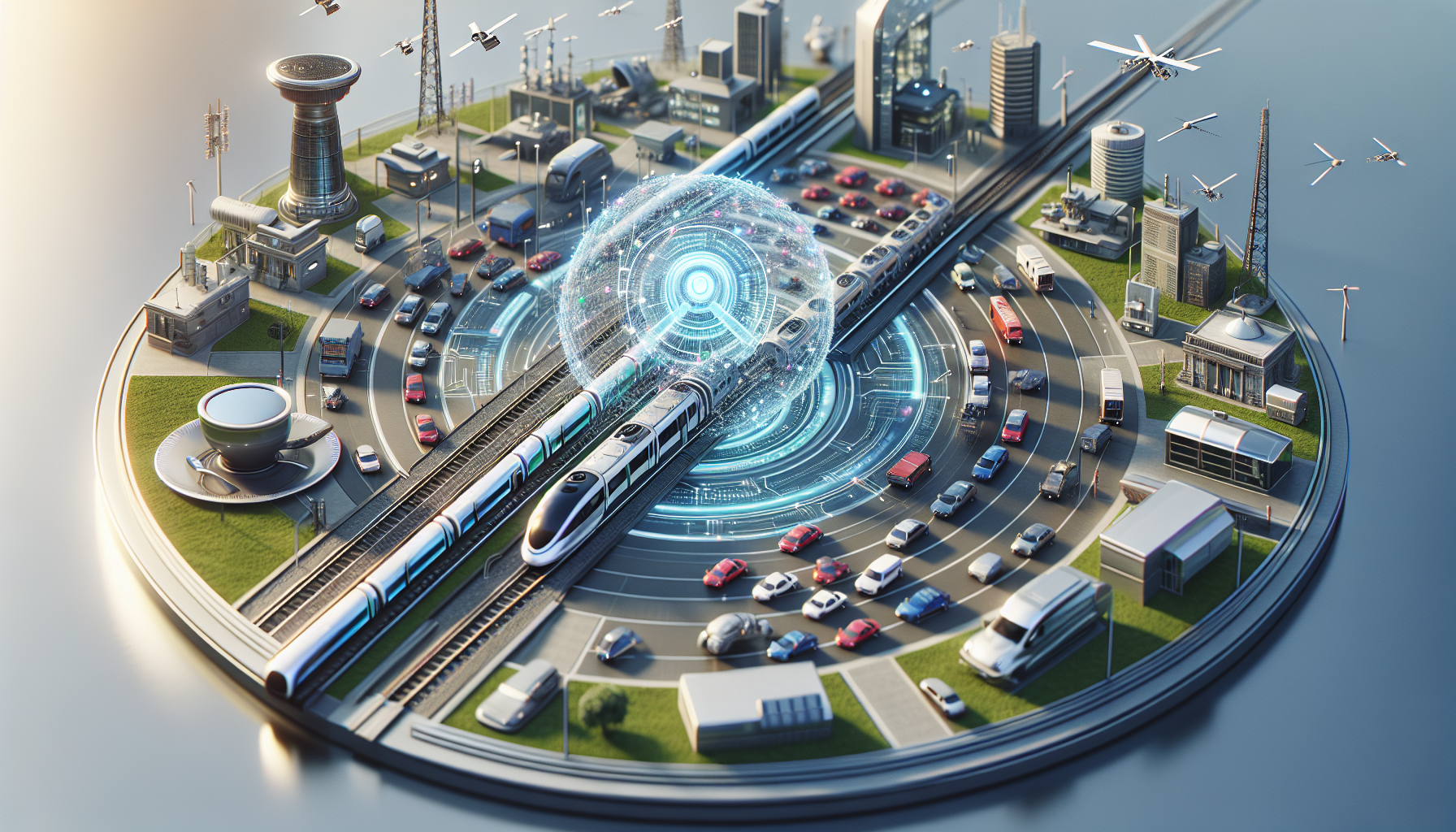
In a groundbreaking move, the Ministry of Transport and Communications (MOTAC) has embarked on its 2nd meeting with a focus on artificial intelligence. This article delves into the impact of AI on transport and communication, detailing MOTAC’s strategy in integrating AI agents into its services.
MOTAC and the AI Transformation
The Ministry of Transport and Communications (MOTAC) stands at the cusp of a digital revolution, seeking to leverage artificial intelligence (AI) to enhance its services. Through its 2nd meeting, MOTAC aims to integrate AI agents effectively into the transport and communications sectors. This chapter explores the ministry’s history of technology adoption, its current infrastructure, and the potential benefits and challenges of implementing AI. It also highlights the strategic initiatives MOTAC has taken towards this integration, including partnerships, innovation policies, and the expected impact on service delivery.
Historically, MOTAC has demonstrated a proactive approach towards embracing technological advancements to streamline operations and improve service delivery. The adoption of digital systems for scheduling, monitoring, and managing transportation services has laid a robust foundation for integrating AI technologies. The current infrastructure includes sophisticated data centres, high-speed networks, and platforms that support data analytics, positioning the ministry to incorporate AI agents seamlessly.
However, adopting AI brings its own set of challenges including the need for substantial investments in technology, training staff to operate and manage AI systems, and safeguarding data privacy and security. Despite these hurdles, the potential benefits of AI integration in transforming service delivery are immense. AI agents can automate routine tasks, predict maintenance requirements, enhance safety protocols, and personalize customer experiences, leading to increased efficiency and satisfaction.
MOTAC’s strategic initiatives for AI integration involve fostering partnerships with technology firms, academia, and other government agencies to share knowledge, resources, and best practices. The ministry is also revising its innovation policies to include incentives for AI research and development, aiming to cultivate a vibrant ecosystem conducive to technological innovation.
The expected impact of these efforts on service delivery is significant. AI-driven systems are anticipated to reduce operational costs, improve decision-making through real-time data analysis, and enable the offering of new services such as real-time traffic management and instant customer feedback mechanisms. Through these initiatives, MOTAC is positioning itself at the forefront of the AI transformation, aiming to establish a more efficient, responsive, and customer-focused transport and communications sector.
AI Agents: The Future of Transport and Communication
Building on MOTAC’s strategy to harness artificial intelligence, a profound transformation within the transport and communication sectors is on the horizon. Focused on transcending traditional services, AI agents stand to introduce unparalleled efficiency and reliability. For Ethiopia, where infrastructural challenges often impede equitable access to services, this evolution could signify a monumental shift. Specifically, the implementation of intelligent traffic systems promises to mitigate congestion problems, by dynamically managing traffic flows based on real-time data. This will not only reduce travel times but also decrease the environmental impact of vehicles.
The exploration into autonomous vehicles could redefine personal and public transportation, enhancing road safety while optimizing fleet management for public transit systems. This leads to a potential uptick in public transport usage, easing the burden on urban infrastructure.
In the realm of logistics, smart systems powered by AI agents are anticipated to streamline supply chains, ensuring that goods are moved more efficiently across the country. This is critical for rural areas, which often face challenges in accessing goods due to logistical inefficiencies.
Furthermore, the introduction of AI-driven customer service platforms could transform how services are delivered and accessed. By providing personalized, 24/7 support, MOTAC aims to significantly improve user experiences, making services more accessible to the wider population, including those in remote areas.
However, to fully realize these benefits, a significant investment in professional skill development is necessary. It is essential to equip the current and future workforce with the knowledge and tools required to operate, manage, and innovate within these new AI-enhanced systems. Ensuring public safety, particularly in the adoption of autonomous vehicles, remains a paramount concern that requires thorough testing and regulatory frameworks.
Thus, the pivot towards AI agents not only promises to streamline operations and service delivery but also paves the way for a more inclusive and equitable access to transport and communication services across Ethiopia. This aligns with MOTAC’s vision of leveraging technology to improve the lives of its citizens, fostering a more connected and mobile society.
Conclusions
MOTAC’s venture into artificial intelligence signifies a bold step towards modernizing Ethiopia’s transport and communications landscape. With the advent of AI agents, service efficiency and reliability are set to soar, although accompanied by complex challenges in integration and skill requisite. This transition heralds a new era in Ethiopian infrastructure, embracing innovation for an inclusive and connected future.
Leave a Reply