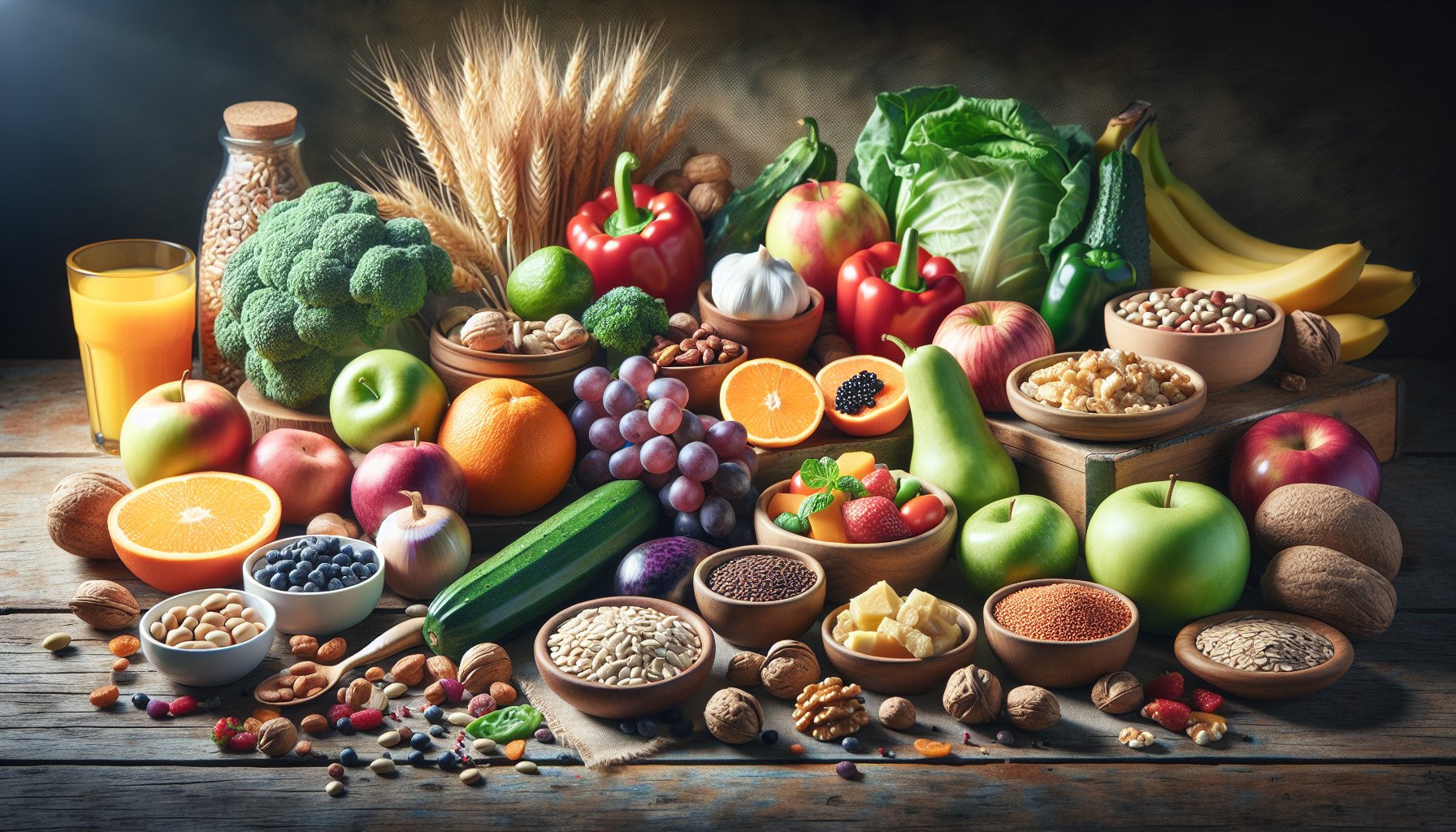
Healthy foods are the cornerstone of well-being, offering essential nutrients that support our bodies and minds. Embracing a diet rich in fruits, vegetables, whole grains, and lean proteins can boost energy, prevent disease, and promote a healthy lifestyle. In this article, we’ll delve into what makes food healthy and how you can easily incorporate these choices into your daily routine.
Understanding What Makes Food Healthy
Healthy foods, as defined by scientific research, are rich in essential macronutrients—complex carbohydrates, quality proteins, and healthy fats—as well as micronutrients like vitamins and minerals. Fruits, vegetables, whole grains, nuts, and lean meats provide fiber and antioxidants, which support immunity and cellular repair. Emphasizing unprocessed foods maximizes nutrient density while minimizing harmful additives. Unlike added sugars, natural sugars from whole foods are accompanied by fiber and nutrients, which aid gradual energy release and satiety. Distinguishing genuinely healthy foods involves seeking minimally refined options, prioritizing natural over processed ingredients, and understanding the full nutritional profile.
Practical Tips for Incorporating Healthy Foods Every Day
Busy lives often make healthy eating seem challenging, but small changes help. Batch-cook grains and proteins, stock up on frozen vegetables, and prepare grab-and-go snacks like nuts or fruit. Plan meals around sales for budget-friendly shopping. Practice mindful eating, savoring smaller portions, and rotate new fruits, vegetables, and whole grains to keep meals exciting and nutritionally balanced.
Conclusions
Adopting healthy foods into your routine brings lasting benefits, from increased energy to disease prevention. By understanding what truly counts as healthy and utilizing simple strategies, you make nourishing choices part of everyday life. Small, consistent changes foster habits that empower you to thrive physically and mentally, ultimately enhancing your well-being for years to come.
Leave a Reply